Many people new to agarwood assume that because it is expensive, it must have a strong, overpowering scent. In reality, the opposite is often true. Genuine natural agarwood usually releases only a faint, subtle aroma at room temperature—so light that it may seem almost imperceptible.
Some older materials, stored for decades or even longer, develop a natural patina on the surface. When smelled directly, they may appear almost scentless. Yet these are often highly valued by experienced collectors. Once heated, they can release an intense burst of aroma with complex layers and evolving notes.
Does strongly fragrant agarwood exist? Yes, it does. Some rare pieces can even leave a lingering scent on the hands after being handled. However, such pieces are extremely uncommon.
How Should Agarwood Be Appreciated?
If you think of agarwood as a fragrance that needs to be awakened, it becomes much easier to understand how to experience it properly.
1. Heating (Fragrance Released by Warmth)
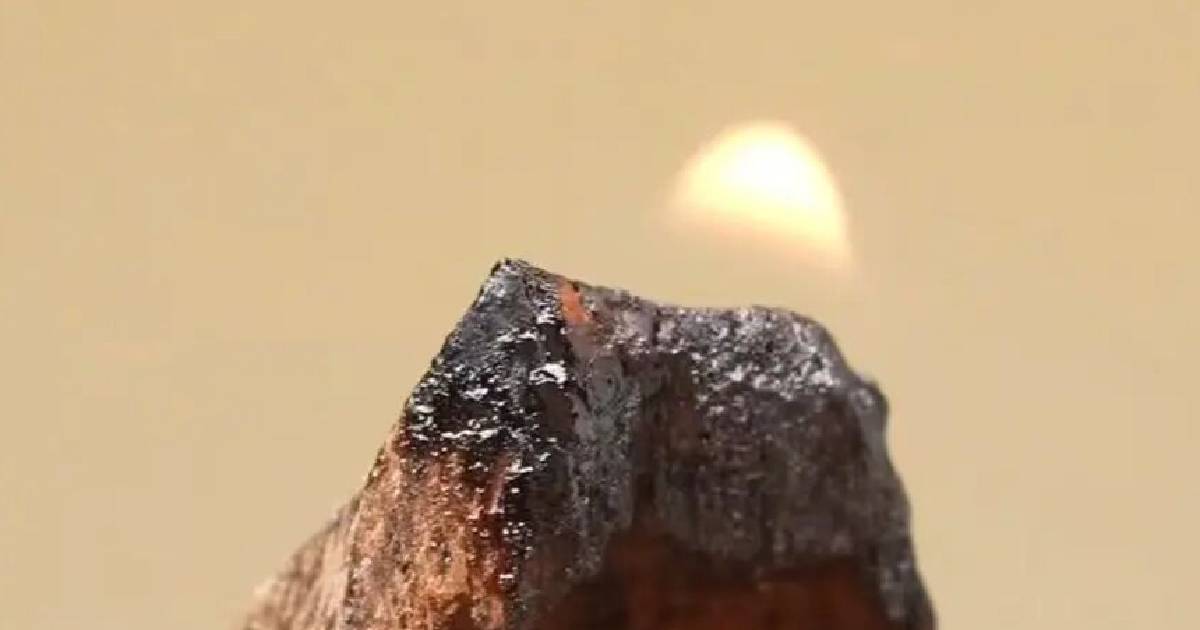
This is the most direct way to experience the character of agarwood. Whether ignited with an open flame or gently heated with an electric incense burner, once the temperature rises, the aromatic oils within the wood become activated and begin to release their fragrance.
At this stage, various scent notes may appear—floral sweetness, honey-like richness, creamy tones, cooling sensations, and many other layered nuances. This is why experienced collectors often test agarwood by either lightly burning it or heating it with a handheld incense burner. If unpleasant or harsh odors appear after heating, the value of the material is greatly reduced.
2. Water Activation (Fragrance Released by Moisture)
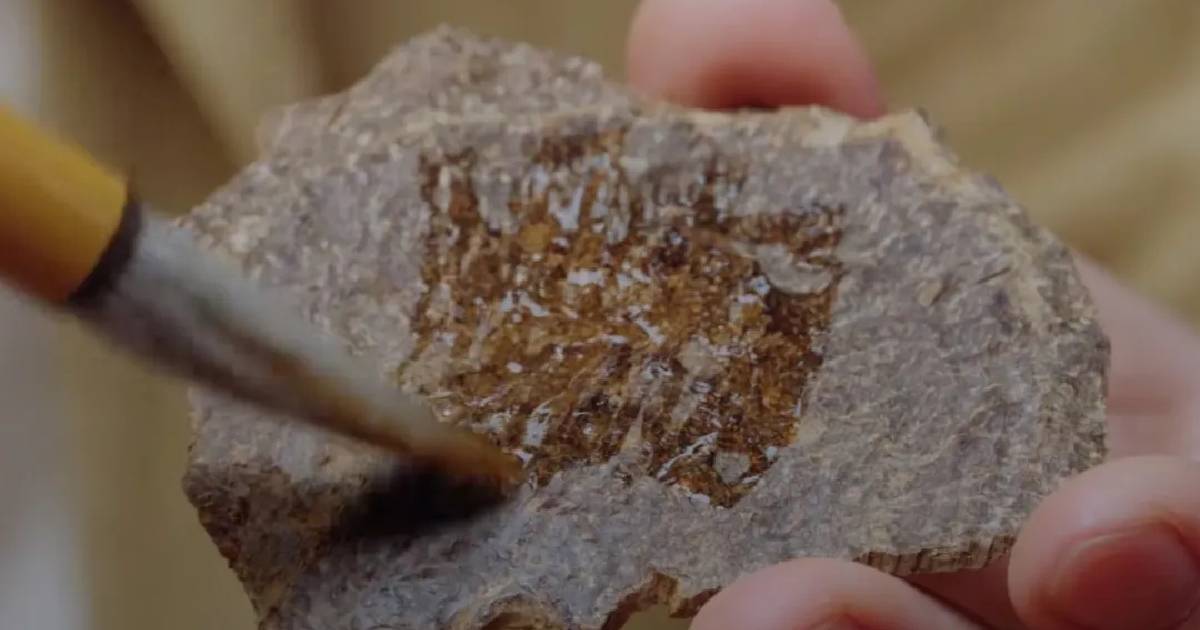
This is a gentler and more elegant method. Lightly mist the surface of the agarwood with water or brush a small amount of water onto it with a soft brush. Afterward, you may notice the fragrance becoming slightly more pronounced.
This happens because water molecules interact with the aromatic oils on the surface of the wood, encouraging some of the oils to emerge while evaporation carries fragrance molecules into the air. As a result, the scent can become more noticeable for a short period.
For the same reason, during hot weather or in humid environments, agarwood often seems more fragrant than usual.
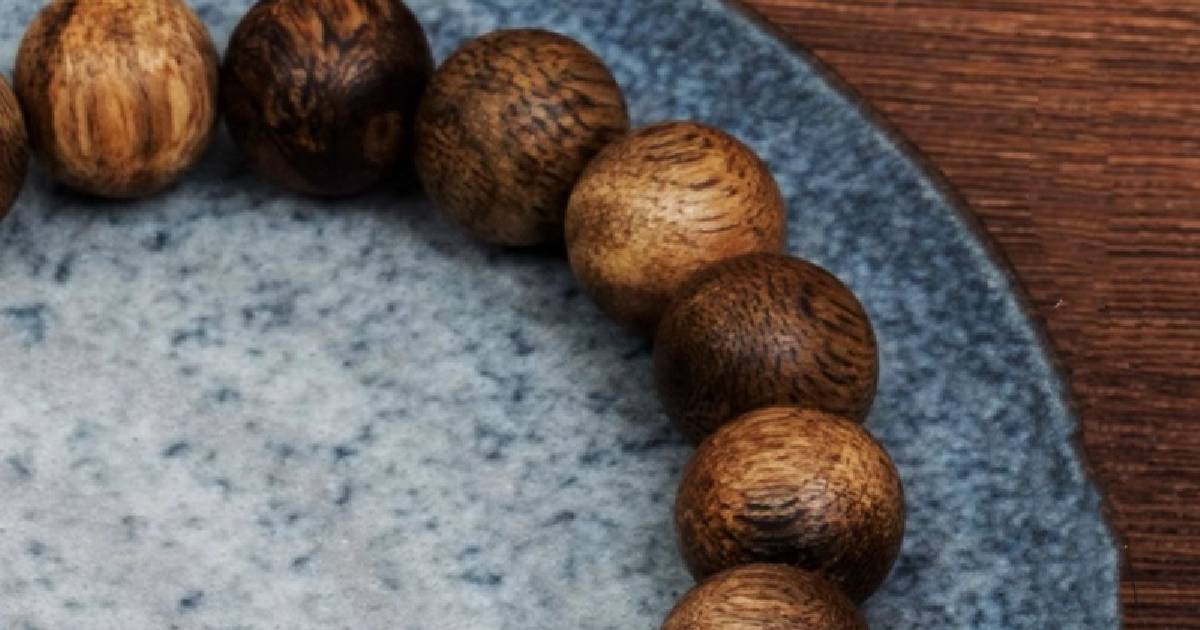
However, it is worth noting that both of these methods should be used cautiously for agarwood bracelets or pieces intended for long-term wear and preservation, as excessive heat or moisture may affect their condition over time.