In the East, it has been treasured by emperors and monks for thousands of years. In modern times, it has become the ultimate luxury pursued by elite perfumers and collectors.
A single gram of high-quality agarwood can be worth more than gold, and just a trace of its aroma can define—or elevate—a legendary fragrance.
This is agarwood—often called the “Diamond of the Plant Kingdom” and the “Wood of the Gods.”
1. What Exactly Is Agarwood?
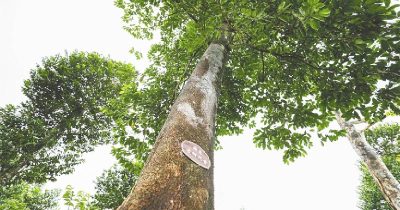
Simply put, agarwood is not a specific type of tree. It is a rare aromatic material formed when certain trees (primarily from the Aquilaria species) are wounded.
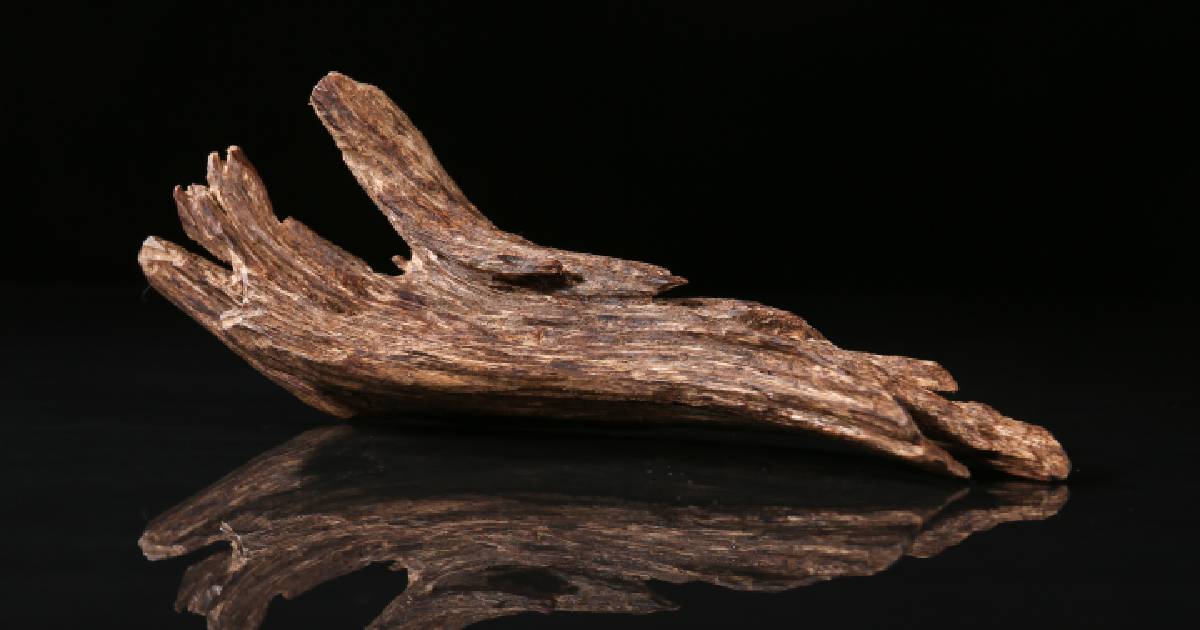
Over decades—or even centuries—the tree undergoes a natural healing process, producing a resin that interacts with fungi and gradually transforms into a dense, fragrant wood-resin complex.
You can think of it as the tree’s “precious crystallization” or an “amber-like wound.”
This natural miracle gives agarwood its uniquely deep, complex aroma, as well as its high cultural, spiritual, and economic value.
2. The Birth of Agarwood: A Story of Pain and Transformation
The rarity of agarwood comes from its extremely demanding and time-intensive formation process:
Injury as the beginning
The tree must be wounded—by lightning, insects, storms, or human intervention.
Defense and resilience
The tree produces aromatic resin to protect and heal itself.
Time refinement
Over many years, the resin undergoes slow transformation through microbial interaction, becoming dark, dense, and rich in oils.
Natural selection
Not every tree produces agarwood. Only a very small percentage, under specific environmental conditions, will yield high-quality material.
This process cannot be fully replicated artificially. Especially for wild agarwood, it requires decades or even centuries of natural evolution—making it incredibly rare and valuable.
3. Why Is Agarwood So Highly Valued?
 A Complex and Luxurious Aroma
 A Complex and Luxurious Aroma
Agarwood’s scent goes far beyond a simple woody note.
It is warm, rich, and multi-layered—often opening with a slightly sharp freshness, followed by a soft sweetness, and finishing with a long-lasting, deep base.
This is why it is widely used in meditation, yoga, and high-end spa rituals, helping to promote calmness, focus, and emotional balance.
Deep Cultural and Spiritual Significance
In traditions such as Buddhism, Taoism, and Islam, agarwood has long been regarded as a sacred medium connecting the physical and spiritual worlds.
It is used for purification, mindfulness, and spiritual practices, carrying thousands of years of Eastern wisdom.
A Jewel in the World of Luxury Perfumery
In high-end perfumery, agarwood—commonly known as Oud—is one of the most prized ingredients.
It serves as both a fixative and a signature note, adding depth, longevity, and an unmistakable sense of luxury to fragrances.
4. How to Get Started and Identify Agarwood
For beginners, understanding these key points is essential:
Wild vs. Cultivated
Wild agarwood: extremely rare and highly expensive
Cultivated agarwood: produced through inoculation techniques, more accessible and consistent—ideal for beginners
Different Forms
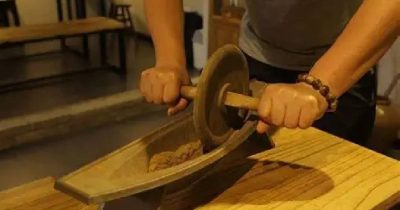
Agarwood can be found in various forms:Raw wood pieces.Chips .Carvings.Powder.Essential oil
Key Identification: Aroma
Authentic agarwood has a rich, evolving scent.
When gently heated (rather than directly burned), it reveals multiple layers and lasts for a long time.
Be cautious of scents that are overly sharp, one-dimensional, or chemical-like.
Agarwood is a fragrant masterpiece shaped by time, adversity, and nature’s alchemy.It is far more than a luxury material—it is a bridge connecting natural mystery, ancient traditions, and modern refinement.Exploring agarwood is a journey that awakens the senses and brings inner stillness.