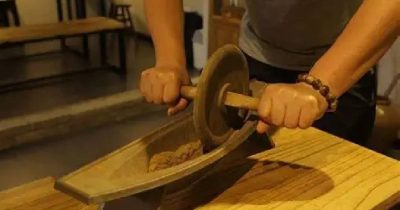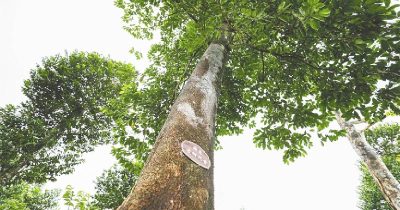
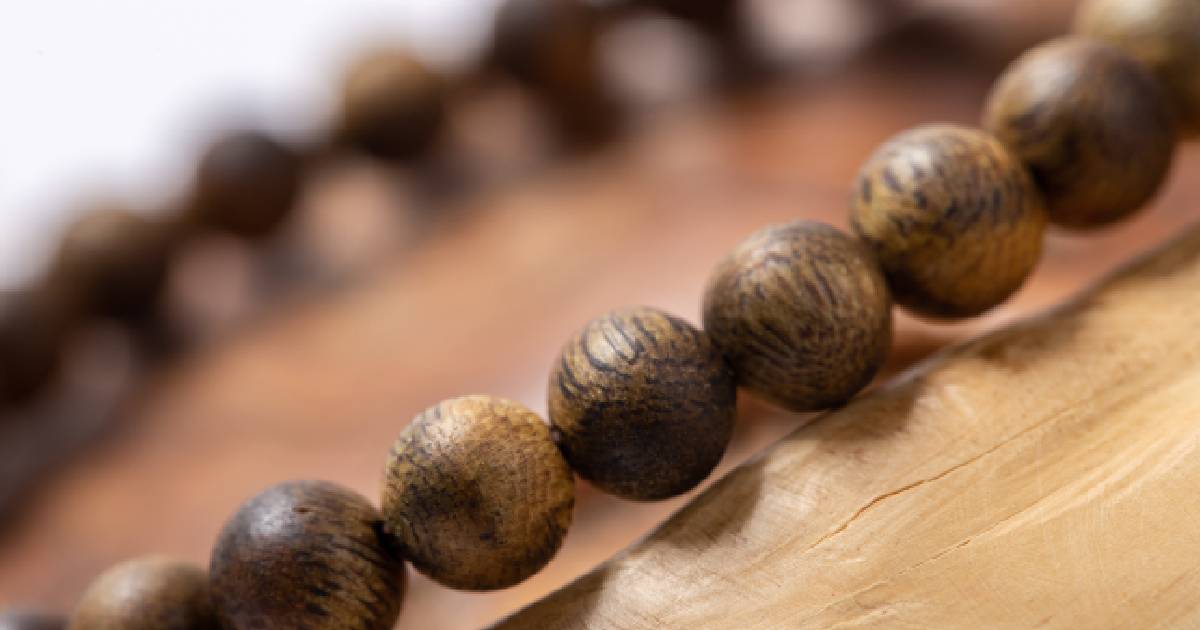
Agarwood is a gift of time and nature. Its aroma is rich and profound, yet such preciousness also requires attentive care in daily life. Among the factors that influence its quality and aromatic performance, humidity is one of the most critical.
Excessive humidity (e.g., prolonged levels above 70%):
The wood structure of agarwood readily absorbs moisture, which may lead to mold, especially in raw materials or carved pieces that are not high in resin content.
The fragrance becomes dull and difficult to diffuse, sometimes even carrying a damp or musty note.
Overly dry conditions (e.g., prolonged levels below 40%):
The surface of agarwood may develop fine cracks due to rapid moisture loss, affecting its appearance.
The aroma may evaporate too quickly, becoming sharp and thin, lacking its characteristic depth and layered richness.
How to create a stable micro-environment for agarwood?
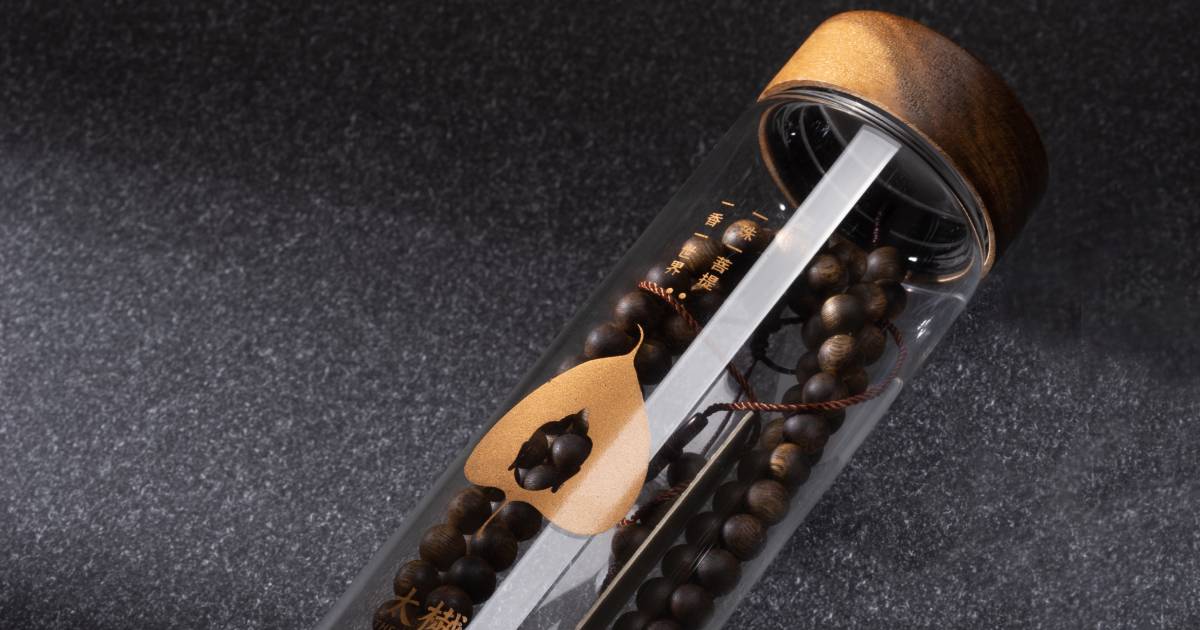
Proper storage: Valuable pieces can be kept in sealed glass jars or tin containers, with a small humidity-regulating pack (such as a two-way humidity control pack) inside.
Environmental monitoring: Place a thermometer-hygrometer in the display or storage area to keep track of conditions. The ideal humidity range is 50%–65%.
Seasonal adjustments: During humid seasons, use a dehumidifier to reduce excess moisture. In dry winters or air-conditioned spaces, a humidifier can be used appropriately, but avoid directing airflow straight onto the agarwood.
Agarwood carries a living fragrance. It records the storms of the forest and responds to the breath of your living space. A stable environment is a sign of respect for this natural treasure, allowing it to continuously release a purer, fuller aroma over time.
Warm reminder: When wearing agarwood bracelets daily, avoid bringing them into high-humidity environments such as bathrooms. Please remove them before bathing.